
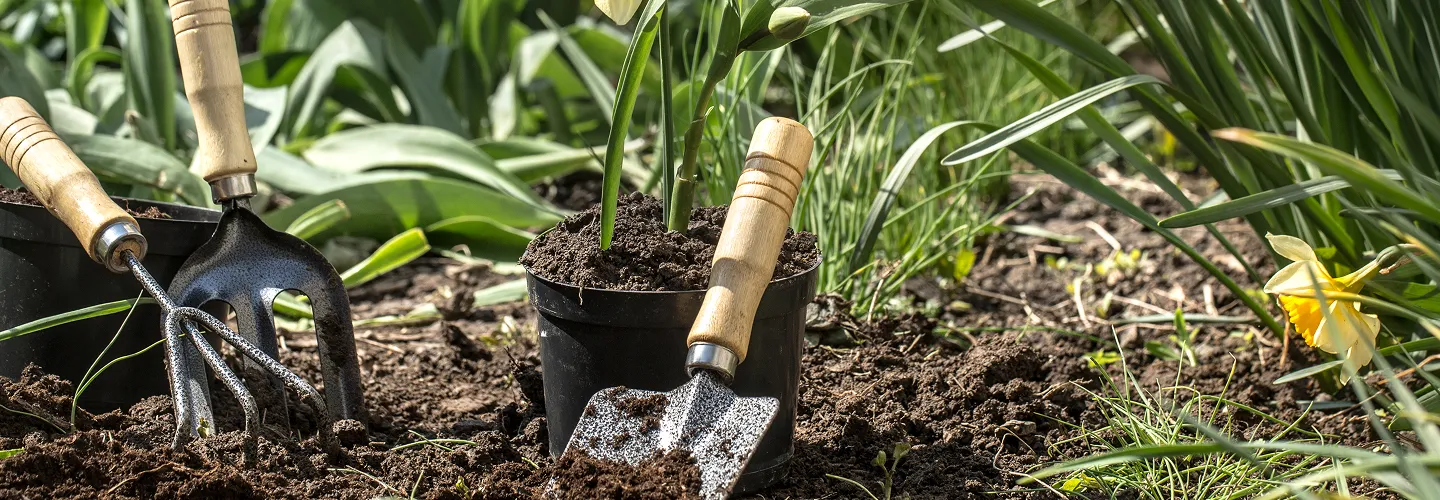
The Groves Mulching Services
Choose our mulching services for healthier soil, improved moisture retention, and a beautiful, weed-free landscape that thrives all year round.
Get a Free QuoteOur The Groves Landscaping & Yard Care Services
When to Schedule Mulching in The Groves, Arizona – Seasonal Guide
In The Groves, Arizona, timing your mulching service is essential for maintaining healthy, vibrant landscapes throughout the year. The region’s unique climate—characterized by hot, dry summers and mild winters—means that the best periods for mulching are typically late winter through early spring, just before the intense summer heat arrives. This timing helps lock in soil moisture, suppress weeds, and protect plant roots as temperatures rise. Neighborhoods near Groves Park and along East Southern Avenue often experience microclimates, with varying shade coverage and soil types that can influence the ideal mulching schedule.
Local environmental factors such as the last frost date (usually in early February), the risk of summer drought, and the prevalence of clay-heavy soils all play a role in determining when to mulch. Areas with dense tree canopies, like those near The Groves Community Center, may require more frequent mulching to manage leaf litter and maintain soil health. Additionally, municipal guidelines and water restrictions can impact when and how mulching should be performed, so it’s important to stay informed about local regulations.
Local Factors to Consider for Mulching in The Groves
- Tree density and shade coverage, especially in neighborhoods near Groves Park
- Soil composition (clay vs. sandy soils)
- Seasonal precipitation patterns and drought risk
- Frost dates and temperature fluctuations
- Terrain and drainage characteristics
- Municipal restrictions or guidelines on landscaping practices
Benefits of Mulching in The Groves
Enhanced Soil Moisture Retention
Weed Growth Suppression
Improved Curb Appeal
Temperature Regulation for Plant Roots
Reduced Soil Erosion
Nutrient-Rich Soil Enrichment
The Groves Mulching Types

Organic Mulch
-
Inorganic Mulch
-
Bark Mulch
-
Compost Mulch
-
Rubber Mulch
-
Pine Straw Mulch
-
Gravel Mulch
Our Mulching Process
Site Evaluation
Soil Preparation
Mulch Selection
Mulch Application
Final Inspection
Why Choose The Groves Landscape Services
The Groves Homeowners Trust Us
-
Comprehensive Lawn Maintenance
-
Reliable Irrigation Solutions
-
Expert Tree and Shrub Care
-
Seasonal Clean-Up Services
-
Pest and Weed Control
-
Competitive Pricing
-
Professional and Courteous Team
Coordinating Mulching Projects with The Groves's Municipal Programs and Departments
Mulching in The Groves falls within the broader scope of landscape maintenance governed by the City of Mesa's environmental and development standards. Because The Groves is a master-planned community within Mesa's jurisdiction, residents and property managers should coordinate mulch material selection and placement with municipal guidance on stormwater protection and green waste handling. Mesa's environmental programs address how organic and inorganic landscape materials interact with the city's storm sewer infrastructure, and mulch that migrates into curb inlets or retention basins during monsoon events can trigger compliance concerns under the city's Phase II MS4 stormwater program.
- Organic mulch debris displaced by irrigation or storm runoff must be kept out of public drainage channels and street gutters
- Bulk mulch deliveries to residential lots should not obstruct sidewalks, rights-of-way, or shared community access points
- Excess or spent mulch qualifies as green waste and should be disposed of through Mesa's established collection procedures
Mesa Environmental Programs
Official Website: Mesa Environmental Programs
Mesa Parks, Recreation & Community Facilities
Official Website: Mesa Parks, Recreation & Community Facilities
How The Groves's Low-Desert Heat and Alkaline Soils Affect Mulching
The Groves sits within the Phoenix metro low-desert environment, classified in USDA Hardiness Zone 9b–10a, where summer surface temperatures on exposed soil can exceed 150°F. This extreme radiant heat accelerates organic mulch decomposition, meaning wood chip or bark mulch layers break down significantly faster than in temperate climates. The predominant soils in this part of Mesa tend toward alkaline sandy loam and caliche-influenced profiles, which resist water infiltration and benefit substantially from a protective mulch layer that slows evaporation and moderates root-zone temperatures.
- Reflected heat from block walls, concrete driveways, and decomposed granite hardscape intensifies mulch desiccation along south- and west-facing bed edges
- Alkaline soil pH—commonly above 7.5—limits nutrient availability, and organic mulch decomposition can gradually contribute beneficial organic matter to these deficient soils
- Monsoon microbursts between July and September can displace lightweight mulch from sloped beds into washes, retention basins, and street drainage infrastructure
- Irrigation dependence is year-round; mulch reduces evaporative loss from drip emitter zones, supporting the water conservation goals outlined by the Arizona Department of Water Resources
Navigating The Groves's Stormwater and Landscape Compliance for Mulching
Mulching itself does not typically require a permit in Mesa, but the placement and management of mulch materials intersect with several regulatory frameworks. Mesa operates under Arizona DEQ's Phase II MS4 stormwater requirements, which obligate the city to prevent pollutants—including displaced landscape materials—from entering the municipal storm sewer system. Property owners in The Groves should ensure that mulch installations near retention basins, community washes, or flood-control channels do not contribute to sediment loading or obstruct drainage flow paths.
- Organic mulch placed adjacent to storm drains or curb inlets must be secured with edging or containment to prevent washout during irrigation cycles or monsoon storms
- Properties bordering engineered drainage corridors should verify setback and grading expectations through Mesa's Engineering Department before installing mulch on slopes draining toward those features
- HOA-governed communities within The Groves may impose additional standards on mulch type, color, and depth—residents should confirm current CC&R landscape provisions before purchasing materials
Mesa Engineering Department
Official Website: Mesa Engineering Department
Timing and Methods for Mulching in The Groves's Desert Climate
Professional mulching standards in The Groves must account for the extreme thermal and hydrological cycles characteristic of low-desert Arizona. Timing mulch application correctly and selecting appropriate materials are essential to achieving moisture retention, weed suppression, and erosion control without creating unintended problems.
- Application timing: The optimal window for organic mulch installation is late February through early April, before peak summer heat accelerates decomposition, and again in October after monsoon season subsides
- Depth guidance: Organic mulch such as shredded bark or wood chips is generally applied at approximately 2–3 inches of depth around shrubs and perennials; deeper layers can trap excessive moisture against stems and promote crown rot in desert-adapted plantings
- Inorganic alternatives: Decomposed granite and decorative rock mulch are widely used in The Groves due to their permanence in high-heat conditions, though they do not contribute organic matter to the soil profile
- Emitter zones: Mulch should be arranged to allow drip emitters to function without obstruction, and organic mulch should not be mounded directly against tree trunks or shrub crowns
- Monsoon preparation: Before July, inspect mulched slopes and bed edges for signs of displacement risk and install landscape edging or rock borders where runoff velocity is a concern
The University of Arizona Cooperative Extension provides additional guidance on soil moisture management and landscape material selection suited to Maricopa County conditions.
What Neighborhoods Do We Serve Throughout The Groves, AZ?
- The Groves North: Established lots with mature citrus and shade trees benefit from organic mulch to protect root zones and reduce irrigation frequency on older drip systems
- The Groves South: Newer subdivision sections with compacted fill soils and limited organic matter in the soil profile see significant improvement from consistent mulch application around foundation plantings
- Groves Park Estates: Larger lot sizes and mixed desert-adapted and tropical plantings create varied mulch needs, particularly along south-facing block walls where radiant heat is most intense
- Lehi Crossing: Properties near the Lehi area's historic irrigation laterals should ensure mulch does not migrate into adjacent canal or ditch infrastructure during watering cycles
- Mesa Groves Villas: Townhome-style properties with shared landscape areas often follow HOA-specified mulch standards regarding material type and color uniformity